Your Innovation Program in 2019: Strategy and Tactics – 2/3
2019 has brought your organization new energy to focus on innovation and a new set of goals that you’re looking to hit. But how are you going to achieve them?
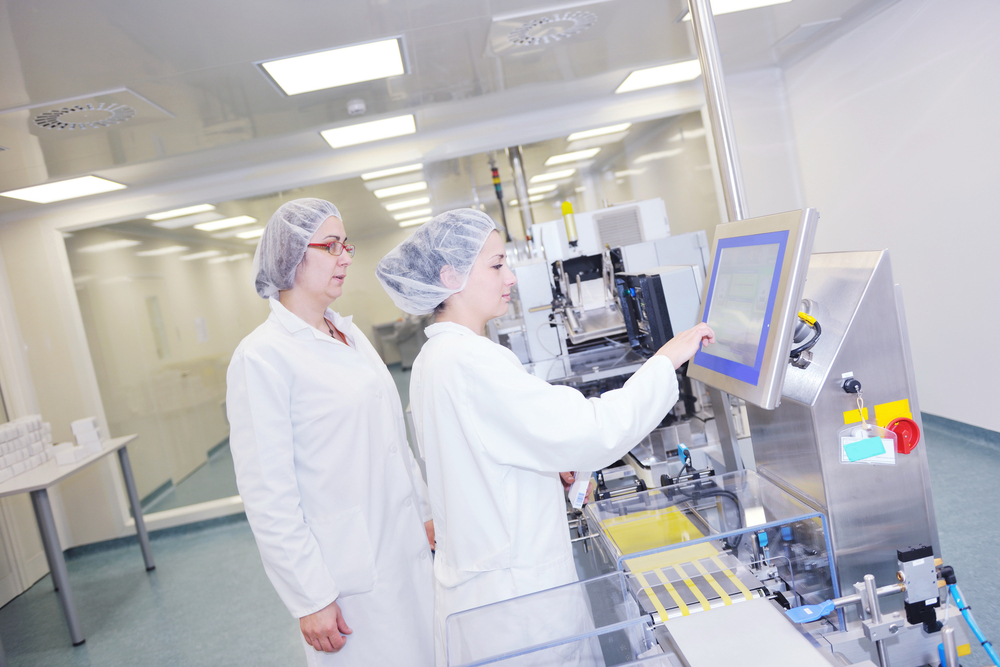
In manufacturing, “lean manufacturing” or simply “lean” has become a dominant management philosophy, deciding much of how the manufacturing component of the supply chain is handled to maximize efficiency of resources. Lean focuses on minimizing waste by identifying activities that add value and separating them from those that don’t, emphasizing the elimination of those that don’t. Due to lean’s success in the manufacturing industry, managers in other industries began
Where are your innovation efforts leading you in the new year?
In manufacturing, “lean manufacturing” or simply “lean” has become a dominant management philosophy, deciding much of how the manufacturing component of the supply chain is handled to maximize efficiency of resources. Lean focuses on minimizing waste by identifying activities that add value and separating them from those that don’t, emphasizing the elimination of those that don’t.
Waiting is one of the most common forms of waste in office work. It’s also one of the easiest to overlook. In a factory, waiting is obvious. A worker stands still because a machine is busy or parts haven’t arrived. In business, waiting hides behind screens and meetings. It shows up as tasks stuck in review, approvals that take days, emails sitting unanswered, or work that can’t start because someone
Overproduction has long been called the “mother of all wastes” in Lean methodology, and for good reason. Whether in a factory or a modern office, producing more than is needed — sooner than it’s needed — creates ripple effects of inefficiency, hidden costs, and employee frustration. But in 2025, overproduction has taken on new forms. It’s no longer just about excess car parts sitting on a factory floor. In today’s
In manufacturing, “lean manufacturing” or simply “lean” has become a dominant management philosophy, deciding much of how the manufacturing component of the supply chain is handled to maximize efficiency of resources. Lean focuses on minimizing waste by identifying activities that add value and separating them from those that don’t, emphasizing the elimination of those that don’t.
Without a full-time team dedicated to managing change and innovation, it can be tough to find the time your program needs.
Continue Reading