Employee Suggestion Program: How To Build One That Works

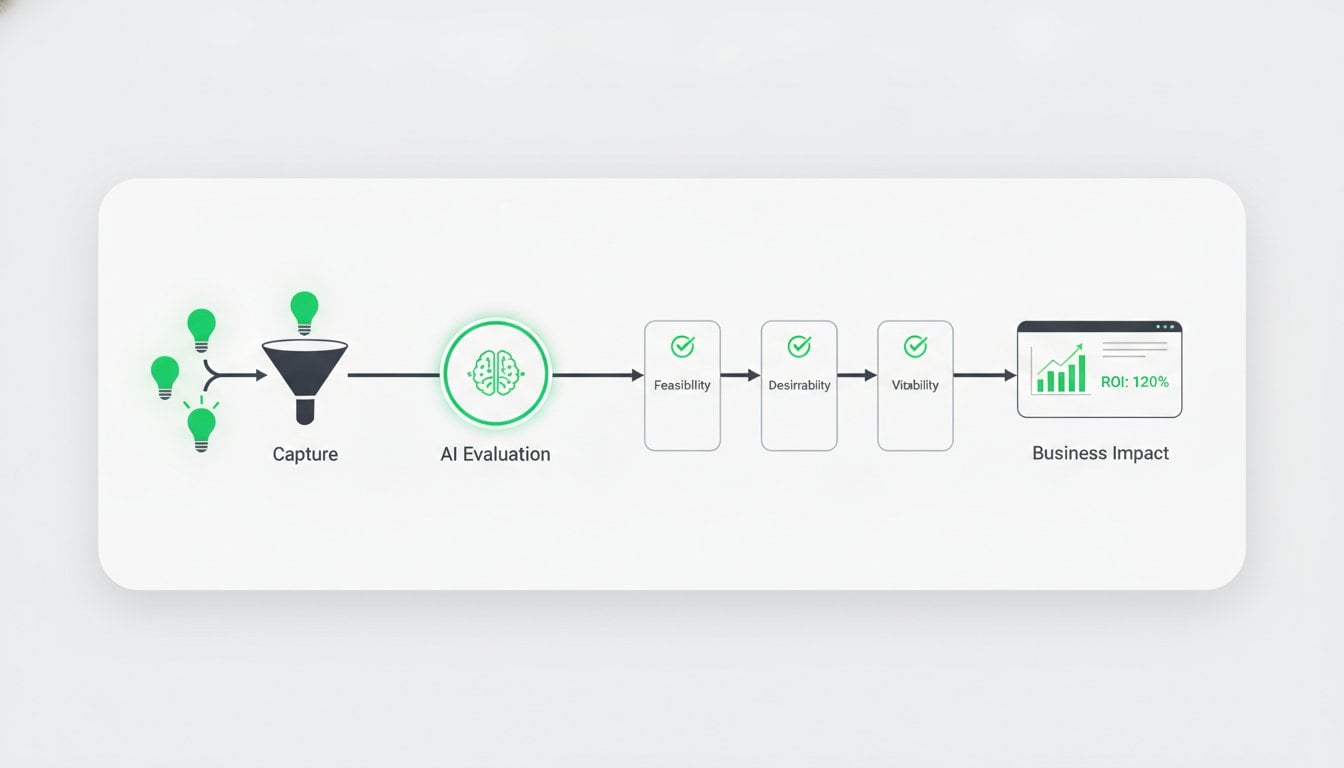
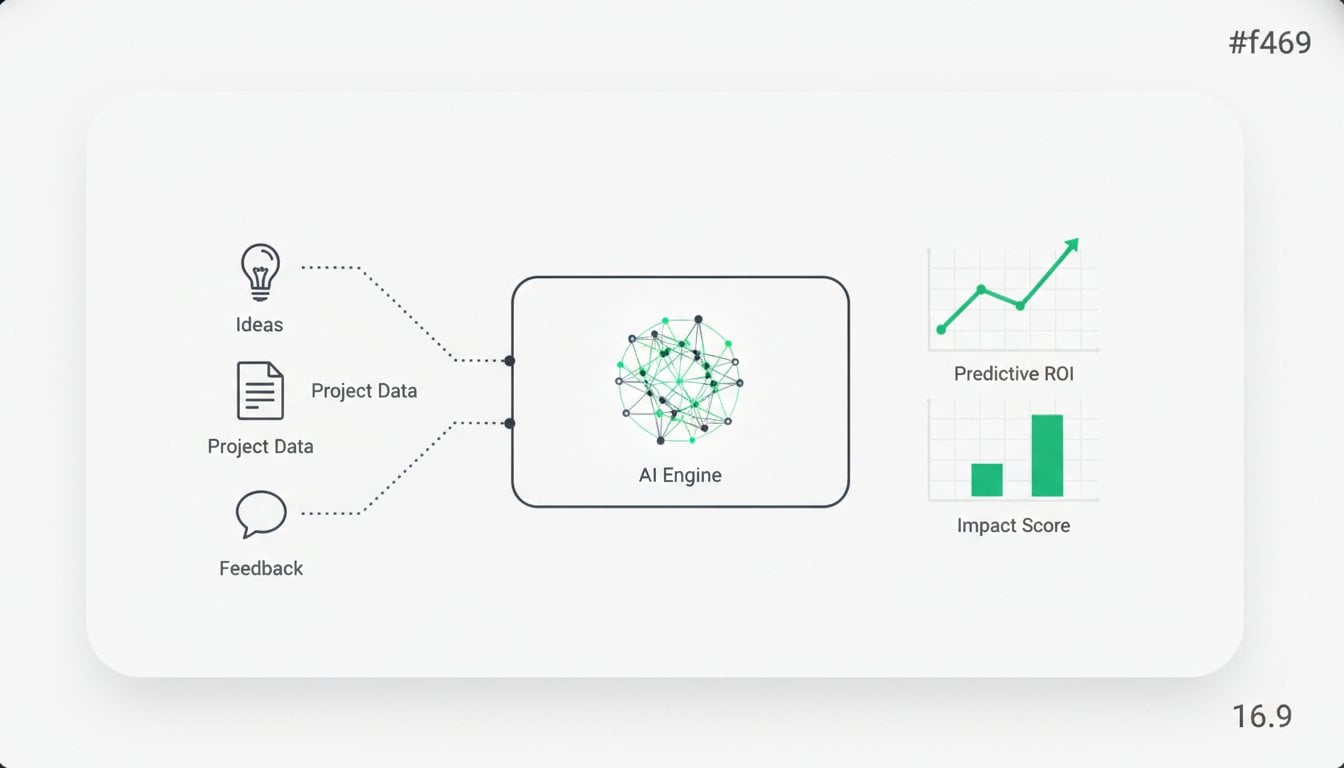
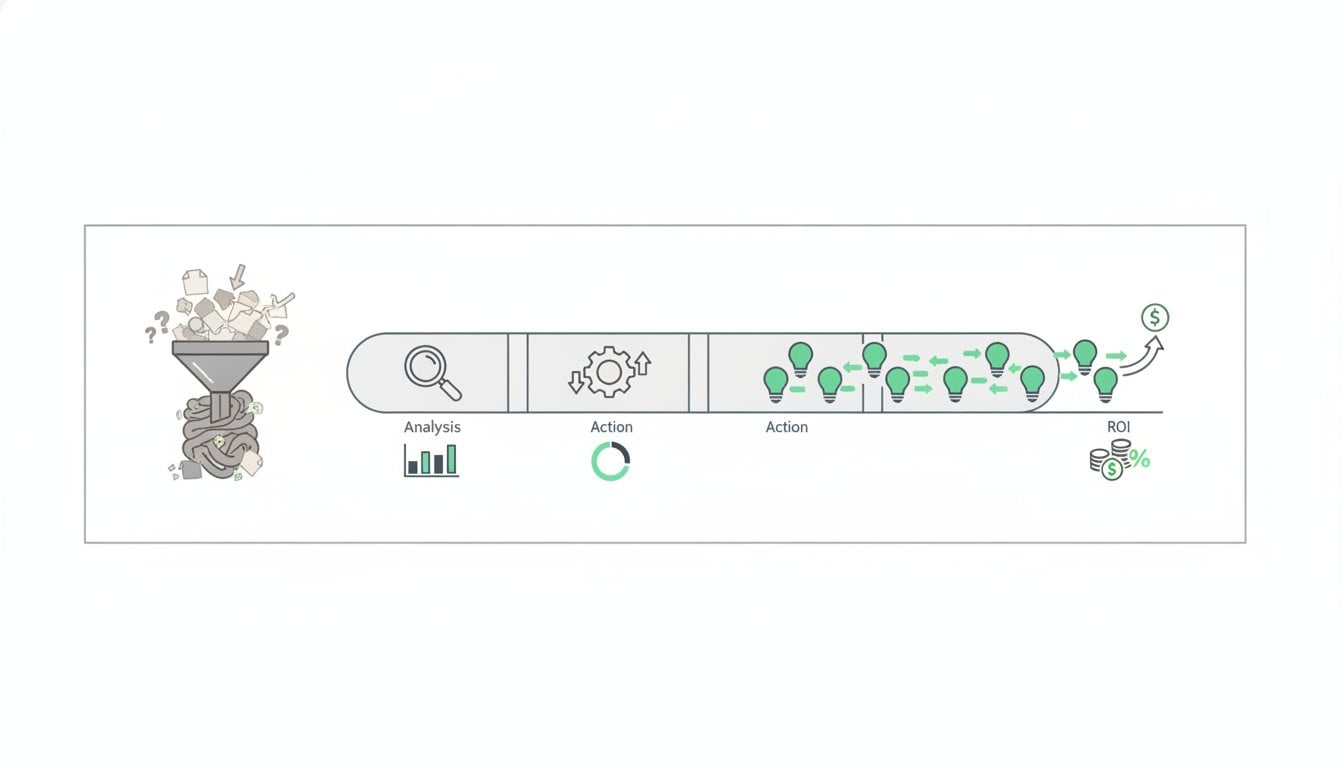
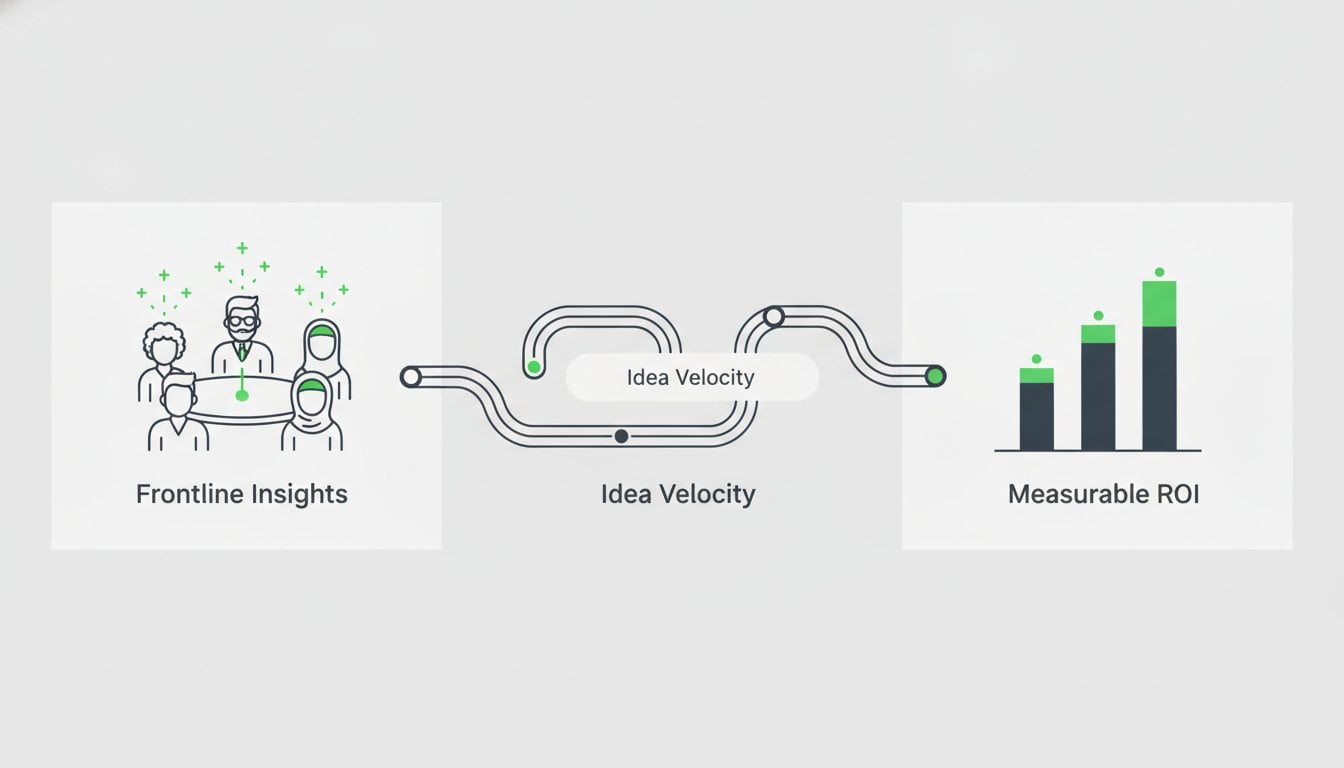
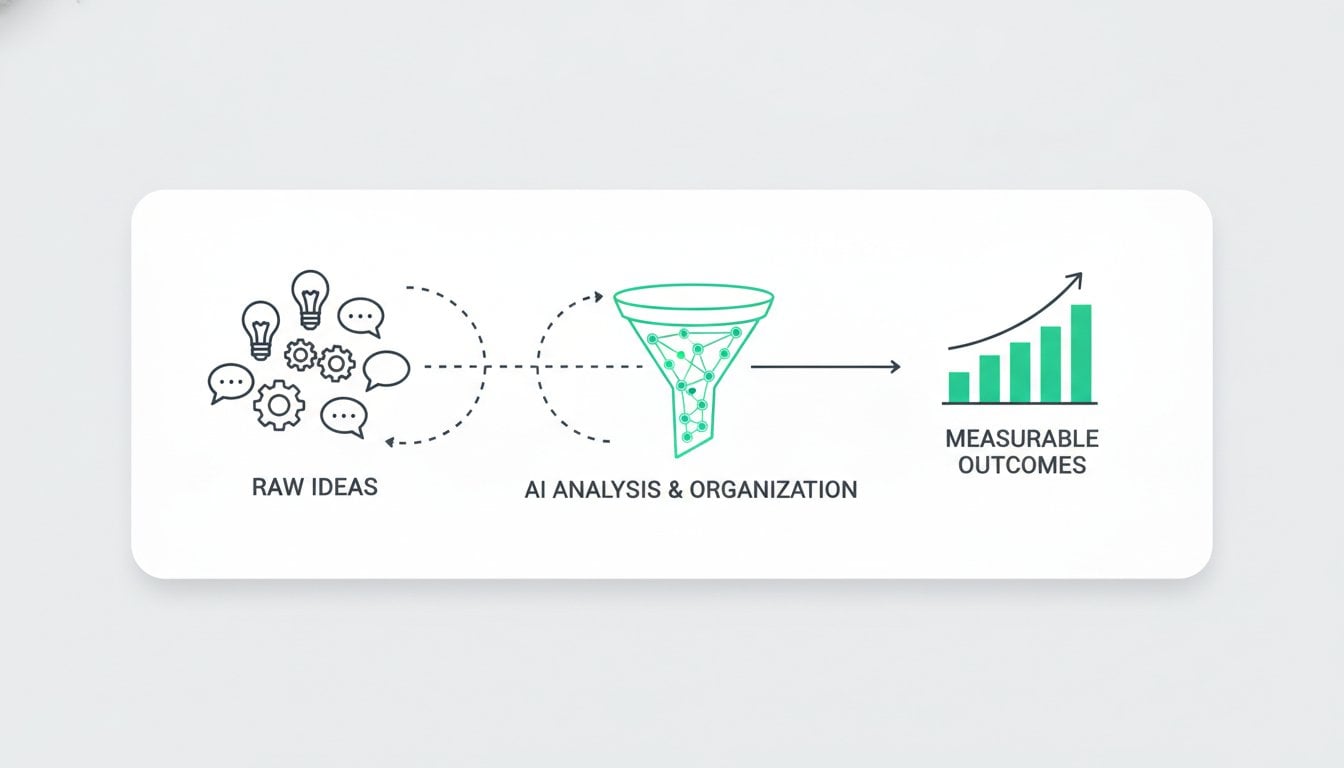
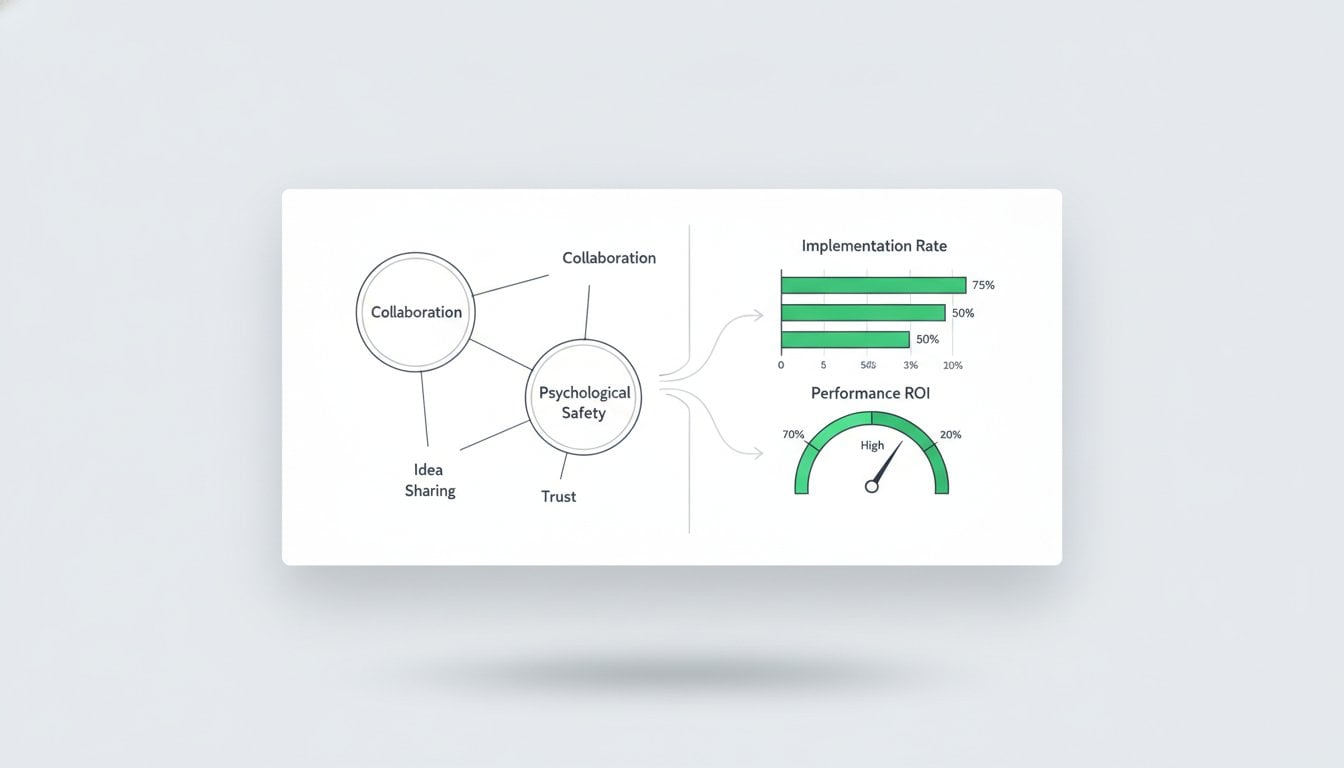
A strong employee suggestion program is one of the fastest ways to improve operations, reduce waste, elevate customer experience, and create a culture where people feel ownership. The problem is that most programs don’t fail because employees “don’t have ideas.” They fail because the system can’t keep up with the ideas people already have. If you want a suggestion program that delivers measurable impact, you need more than a place to submit ideas. You need a repeatable process that makes it easy to contribute, easy to evaluate, and easy to implement the ideas that matter most. What An Employee Suggestion Program Really Is At its core, an employee suggestion program is a structured way to capture improvements from the people closest to the work. It gives employees a clear channel to share ideas, and it gives leadership a reliable engine for turning those ideas into outcomes. The key word is “structured.” A suggestion box without a process is just a collection of unmet expectations. A real program has visibility, accountability, and feedback loops that build trust over time. Suggestion Program Vs. Suggestion Box A suggestion box collects ideas. A suggestion program creates movement. In a suggestion box model, ideas disappear into a black hole. In a program model, every idea enters a pipeline with clear stages, clear owners, and clear next steps. Employees don’t need to guess what happened, and leaders don’t need to chase updates through email threads. Why Most Suggestion Programs Stall Most organizations start with good intentions. Then the program hits reality. If responses take weeks, people stop submitting. If decisions are unclear, the process feels political. If nothing gets implemented, even great ideas become future sarcasm. The program doesn’t “die” all at once. It fades because the system can’t maintain momentum. Step 1: Define The Program’s Goals And Scope Before you talk tools, incentives, or review committees, get clarity on what the program is meant to accomplish. This is the anchor that keeps your program from becoming a random list of unrelated requests. A suggestion program works best when employees can connect the dots between “what we’re trying to improve” and “why my idea matters.” Choose Outcomes You Want To Improve Pick one to three outcomes to start. This gives people focus and makes evaluation dramatically easier. Common examples include reducing costs, improving safety, speeding up cycle time, increasing quality, improving customer satisfaction, and reducing rework. You can always expand categories later, but starting narrow helps you move faster. Decide What “Counts” As A Suggestion Not every submission should be treated the same, and that’s okay. Some suggestions are quick wins. Others require cross-functional collaboration, budget, or policy changes. Define your categories early so employees know what to submit and reviewers know how to route it. You can also define what isn’t included, like HR complaints that belong in a different channel, or individual performance issues that require a manager conversation. Step 2: Make Submitting Ideas Shockingly Easy The fastest way to reduce participation is to make the submission process feel like homework. The submission flow should feel lighter than sending an email. If your program requires long forms, vague instructions, or a “perfect business case,” you will filter out the very people who have the best insights. Create A Simple Submission Template Keep the submission format short, clear, and consistent. A simple structure raises idea quality without adding friction. A practical template includes the problem, the proposed solution, who it helps, and the expected impact. If you want one more field, add “effort level” as a quick dropdown so reviewers can triage faster. When employees need additional context, they can add it through comments or follow-up questions, rather than forcing everyone to write a full proposal upfront. Offer Optional Anonymity Some teams will never submit ideas if they feel exposed. Others prefer transparency and recognition. The best approach is to offer both options. Make it clear that anonymous submissions are acceptable, and ensure the review process doesn’t quietly deprioritize them. The goal is to get the idea, not to run a popularity contest. Use Challenges To Focus Energy Always-open programs can work, but they often produce noise. A powerful way to increase relevance is to run time-based challenges tied to specific goals. For example, you might run a two-week challenge on “reducing customer response time” or “cutting production downtime.” People submit more targeted ideas when the problem is clear, and reviewers can compare ideas more effectively. Step 3: Build A Review Process That Prevents “Idea Limbo” This is the step that determines whether your program becomes a competitive advantage or a graveyard of good intentions. Employees don’t need every idea to be approved. They need every idea to be respected. That means acknowledgment, clarity, and predictable timing. Create A Review Team With The Right Mix A review committee should not be one department trying to judge everything. Include a blend of operational leaders, finance or analytics support, and stakeholders who understand customer impact and implementation constraints. You want speed without sacrificing reality. If your organization is large, consider a hub-and-spoke model. A small central team manages governance and reporting, while domain review groups evaluate ideas within their area. Set Clear Response Timelines A suggestion program builds trust through speed. Start with two timing commitments. First, every submission gets an acknowledgment quickly. Second, every idea gets a decision or a clear next step within a defined window. You don’t have to be perfect on day one, but you do need a predictable rhythm. If you can’t respond quickly, reduce scope until you can. Use A Simple Scorecard A scorecard keeps evaluation fair, consistent, and less political. Your criteria should map to your goals. A clean scorecard might include impact, effort, cost, time to implement, risk, and strategic alignment. Keep it consistent so employees understand what makes ideas move forward. Even better, share the scorecard criteria publicly. When people know how ideas are evaluated, they submit higher-quality suggestions and trust decisions more. Step 4: Create Incentives That Improve Quality, Not Just Volume Incentives can help, but they’re easy to get wrong. If you reward submissions alone, you can accidentally encourage low-quality ideas that clog the pipeline. If you only reward big wins, participation can drop because the payoff feels unrealistic. The best incentive systems create recognition for participation while reserving meaningful rewards for outcomes. Use Recognition As A Default Recognition is often more powerful than cash. Publicly highlight great ideas, great collaboration, and great follow-through. Spotlight the people who refine ideas, test pilots, and help implement changes. This sends a signal that innovation is not a solo sport. Simple recognition rhythms also create momentum. A weekly highlight is enough to keep the program visible. Reward Outcomes With Clear Rules When you do offer rewards, tie major rewards to impact. For example, you can offer small rewards for top submissions in a challenge, and larger rewards for implemented ideas that hit measurable targets. This keeps the pipeline clean and reinforces the message that implementation matters. Make the rules simple and visible. Confusing reward structures can create skepticism, and skepticism kills participation. Step 5: Launch And Promote The Program Like An Internal Product A suggestion program isn’t a memo. It’s a behavior change. If you want employees to use it, you need a launch that makes it feel important, easy, and worth their time. Then you need consistent promotion that keeps it top of mind without becoming noise. Make Leadership Sponsorship Visible Employees watch what leaders do more than what leaders say. If leaders talk about innovation but never acknowledge ideas, people notice. If leaders celebrate wins, ask for input, and remove obstacles, the program becomes real. The best sponsorship is practical. Leaders should ask for suggestions tied to goals, reference the program in team meetings, and publicly support implementation of approved ideas. Train Managers To Respond Well Managers are the gatekeepers of culture. Even in a great program, people won’t submit if their manager shuts them down locally. Train managers to encourage submissions, ask clarifying questions, and support pilots instead of defaulting to “we tried that already.” A small script can help. Replace “That won’t work” with “What problem are you solving?” and “What would need to be true for this to work?” This keeps the conversation constructive and moves ideas forward. Share Progress Weekly Visibility fuels trust. Share how many ideas were submitted, how many were approved, what’s in progress, and what was implemented. The goal is to prove the program is alive and that outcomes happen. Over time, this becomes a flywheel. More visibility creates more participation, which creates more wins, which creates more belief. Step 6: Implement Ideas With Ownership And Accountability This is where programs either produce impact or stall. Ideas don’t implement themselves. Every approved idea needs an owner, a plan, and a timeline. If implementation is vague, the program becomes a list of “good thoughts” rather than a driver of results. Assign Owners And Teams For each approved idea, assign a clear owner who is accountable for moving it forward. That owner should have the authority to coordinate resources or escalate blockers. If owners lack authority, implementation becomes slow, and the program loses credibility. In many organizations, the best owners are mid-level leaders who understand operations and can execute quickly. Start With Pilots Pilots are a powerful bridge between “sounds good” and “proved it.” A pilot should have a time box, a cost cap, and a clear success metric. If the pilot works, expand it. If it doesn’t, document what was learned and close the loop with the submitter. This protects momentum. People trust programs that move quickly, even when the answer is “no,” because at least the idea was tested with respect. Track Status Publicly Employees shouldn’t need to ask, “What happened to my idea?” Give every idea a visible status, even if it’s only within the organization. A transparent pipeline reduces repeat questions, reduces skepticism, and increases quality because people can see what types of ideas get implemented. Step 7: Measure Impact And Improve The System A suggestion program becomes a strategic asset when it produces measurable outcomes and a repeatable engine for improvement. You don’t need complex analytics to start. You need a few metrics that tell you whether the pipeline is healthy and whether ideas are translating into results. Track The Metrics That Matter Start with participation rate, time to first response, percentage of ideas implemented, and cycle time from submission to decision. Then track outcomes. Savings, revenue impact, time saved, quality improvements, customer experience improvements, safety incident reductions. Choose outcomes that match your initial goals so reporting is clear. When leaders can see impact, the program gets resources. When employees can see impact, participation grows. Use Feedback Loops To Raise Idea Quality Not every idea will be a winner, and that’s normal. What matters is how you respond. Constructive feedback helps employees submit better ideas over time. Share examples of strong submissions, explain why some ideas were declined, and highlight patterns. This turns the program into an improvement engine for both operations and thinking. Common Pitfalls And How To Avoid Them Most failures come from predictable breakdowns, not bad intentions. Slow response times are the fastest way to kill trust. If your team can’t review quickly, reduce scope until you can. Overly complex submission requirements will reduce participation. Keep intake light, then refine ideas through collaboration. Lack of implementation resources creates “idea debt.” Don’t approve ideas without an execution plan. Finally, avoid making the program feel political. Use transparent criteria, consistent stages, and clear rationale for decisions. How Ideawake Helps You Run A Suggestion Program That Delivers A suggestion program needs more than a place to submit ideas. It needs a system that makes it easy to collect, evaluate, act, and measure without burying someone in spreadsheets or endless meetings. Ideawake is built to operationalize the full suggestion pipeline. You can run targeted challenges to focus submissions around your goals, capture ideas through simple workflows, and let employees collaborate to refine suggestions before they reach decision makers. When it’s time to evaluate, you can use structured criteria and assign stakeholders to review ideas quickly and consistently. You can also reduce noise with duplicate idea detection, so similar suggestions get consolidated instead of competing. Once ideas are approved, Ideawake helps you assign owners, track progress through stages, and keep visibility high so employees see what’s happening. And with actionable analytics, you can see pipeline health and program impact fast, making it easier to prove ROI and improve the system over time. If your goal is to double the ROI you get from employee ideas while cutting management time, the biggest unlock is moving from an informal suggestion box to a structured, measurable program. Frequently Asked Questions What Is An Employee Suggestion Program? An employee suggestion program is a structured system for collecting, evaluating, and implementing employee ideas that improve the business. The best programs include clear goals, simple submission, fast feedback, and measurable outcomes. How Do You Get Employees To Participate In A Suggestion Program? Participation increases when the program is easy to use, leaders visibly support it, feedback is fast, and employees can see ideas being implemented. Recognition also helps, especially when tied to outcomes. Should Employee Suggestions Be Anonymous? Optional anonymity is often helpful, especially in cultures where employees fear being judged or ignored. A strong program supports both anonymous and named suggestions without bias. How Do You Review Suggestions Fairly? Use consistent evaluation criteria tied to your program goals, and involve a diverse review group. Publish the criteria and provide clear rationale for decisions to reduce politics and build trust. What Incentives Work Best For Suggestion Programs? Recognition is a powerful baseline incentive. For rewards, balance small participation incentives with larger rewards tied to implemented ideas and measurable impact. How Long Should It Take To Respond To Suggestions? Fast responses are critical to trust. Aim to acknowledge submissions quickly and provide a clear decision or next step within a defined timeframe that your team can reliably meet. How Do You Measure The ROI Of A Suggestion Program? Track both pipeline metrics and outcomes. Pipeline metrics include participation and review speed. Outcome metrics include cost savings, time saved, quality improvements, customer experience gains, and risk reduction. Do You Need Software To Run A Suggestion Program? Small teams can start with simple tools, but scaling becomes hard without visibility, workflow stages, accountability, and reporting. Purpose-built software helps prevent idea loss, slow reviews, and weak measurement.

A strong employee suggestion program is one of the fastest ways to improve operations, reduce waste, elevate customer experience, and create a culture where people feel ownership. The problem is that most programs don’t fail because employees “don’t have ideas.” They fail because the system can’t keep up with the ideas people already have. If you want a suggestion program that delivers measurable impact, you need more than a place

Jamen K|
March 4, 2026
Continue Reading

7 Best Practices for Designing a Frontline Ideas Workflow That Actually Works

After 12 years in the idea and innovation management space and working with hundreds of clients, we’ve seen a lot of programs succeed, and some of them quietly fall apart. More often than not, failure comes down to the same handful of avoidable mistakes. One of those mistakes often includes the most complex part of your frontline ideas program – designing your workflow. If you’re building or refining a frontline

Coby Skonord|
February 24, 2026
Continue Reading

Employee Engagement Levels

Employee Engagement Levels Debunked: A Better Model

Employee engagement gets talked about like it’s a fixed trait. You’re either “engaged,” “not engaged,” or “actively disengaged,” and that label becomes the story. It’s simple, easy to report, and easy to repeat in leadership meetings. The problem is that it’s also easy to misuse. Those rigid engagement “levels” can blur what’s really happening, hide the biggest opportunities, and push leaders into generic programs that don’t change day-to-day work. If

Jamen K|
February 23, 2026
Continue Reading

Idea Meritocracy: Make The Best Ideas Win At Work

Idea Meritocracy

Most organizations say they want innovation. They ask for ideas in town halls, surveys, and suggestion boxes. They run hackathons, start “innovation committees,” and celebrate creativity in internal newsletters. Then the same thing happens: the ideas pile up, a few get polite praise, and almost none turn into meaningful results. An idea meritocracy is the opposite of that. It’s a culture and an operating system where the best ideas rise—regardless

Continue Reading

Innovation Goals For Business Leaders (With Examples + KPIs)

Innovation Goals for Leaders:

Innovation is one of those words that sounds great in boardrooms and town halls, but gets fuzzy the second you ask, “What exactly are we trying to achieve?” If your innovation goal is “be more innovative,” you don’t have a goal. You have a slogan. Real innovation goals are tied to business outcomes you can measure. They shape what ideas you collect, how you evaluate them, what you implement, and

Continue Reading

Workplace Innovation Techniques: Boost Ideas, ROI & Buy-in

Workplace Innovation Techniques

Innovation doesn’t fail because people “don’t have ideas.” It fails because ideas don’t have a path. They get captured in random places, debated by the loudest voices, stuck in review limbo, or quietly ignored until everyone stops contributing. If you want real innovation in the workplace, you need more than a motivational speech and a brainstorming workshop. You need a simple, repeatable system that makes it safe to contribute, easy

Jamen K|
February 13, 2026
Continue Reading

Advantages Of Crowdsourcing: Faster Ideas, Lower Cost, Better Fit

Advantages Of Crowdsourcing Faster Ideas

Crowdsourcing is one of the simplest ways to widen your problem-solving capacity without hiring a new team. Instead of relying only on internal experts, we invite a broader group—employees, customers, partners, or the public—to contribute ideas, solutions, or effort. When it’s run well, crowdsourcing improves idea quality, shortens timelines, and reduces the cost of exploring options. The benefits are real, but they’re not automatic. The advantages you get depend on

Continue Reading

Innovation Experts To Follow In 2026 For Teams

Innovation Experts To Follow In 2026 For Teams

Innovation doesn’t fail because people “don’t have ideas.” It fails because the ideas never survive the messy middle: unclear ownership, slow decision cycles, duplicate suggestions, and no proof of impact. Following smart innovation voices can absolutely sharpen your thinking. But the real win is using what you learn to generate better ideas, evaluate them faster, and implement the ones that matter—without turning your program into a content-consumption hobby. This guide

Continue Reading

Famous Innovation Failures: Lessons From Big Flops

Famous Innovation Failures

Innovation failures aren’t just entertaining stories about bad products. They’re case studies in decision-making under uncertainty. The same patterns show up across industries: weak demand signals, adoption friction, trust backlash, ecosystem dependence, and teams that commit too early without evidence. In this guide, we break down famous innovation failures and extract practical lessons. We’ll start with the failure patterns that repeat most often, then move through recognizable case studies, and

Jamen K|
February 3, 2026
Continue Reading

Top Open Innovation Software Platforms 2026

Open Innovation Software Platforms

Most organisations don’t have an “idea shortage.” They have a signal-to-noise problem and a follow-through problem. When you open the doors to customers, partners, suppliers, startups, or researchers, the volume of input can jump fast. Without the right platform, you end up with scattered submissions, duplicate ideas, slow reviews, unclear ownership, and—worst of all—no measurable outcomes. That’s what open innovation software is built to solve: a structured way to source

Continue Reading

Receive insights and tips on how to build buy in, promote, launch, and drive better financial results from your innovation program.